
Frying oil can be a pain to deal with, from the mess it creates to the difficulty of proper disposal. But fear not because we’ve got you covered with some simple tips to help you get rid of frying oil in a hassle-free way. Whether you’re looking to avoid clogging your sink or simply want to cut down on waste, these tips will make the process a whole lot easier.
So say goodbye to the struggle of dealing with used frying oil and say hello to a cleaner, more efficient way of disposing of it. Let’s dive into these simple yet effective methods to get rid of frying oil without the headache.
How To Dispose Of Used Cooking Oil Properly
Proper disposal of used cooking oil is essential to avoid clogging pipes and causing damage to the environment. One of the best ways to dispose of used cooking oil is to reuse it. Once the oil has cooled, strain out any food particles and pour it into a designated oil container. Used cooking oil can be reused a few times for frying or cooking before it needs to be discarded.
When it is time to dispose of the oil, it should never be poured down the sink or toilet. Instead, it can be taken to a local recycling center or a household hazardous waste facility. Many cities also have specific drop-off locations for used cooking oil.
Another option is to solidify the oil by mixing it with an absorbent material such as flour or cat litter and then disposing of it in the regular trash. By taking the time to properly dispose of used cooking oil, you can help protect the environment and prevent costly damage to your plumbing system.
How To Safely Dispose Of Used Cooking Oil
One of the best ways to safely dispose of used cooking oil is to recycle it. Many cities have drop-off locations or recycling centers where you can bring your used oil for proper disposal. Some grocery stores also have collection bins for used cooking oil. You can also reuse the oil for cooking if it hasn’t been contaminated with food particles.
Simply strain the oil through a fine mesh sieve or cheesecloth to remove any debris, then store it in a sealed container for future use. If recycling or reusing the oil isn’t an option, you can solidify it and throw it in the trash. To do this, simply mix the used oil with an absorbent material such as flour, rice, or cat litter, then place it in a sealed container and dispose of it in the regular trash.
Never pour used cooking oil down the drain, as it can cause clogs and damage to the plumbing system. By properly disposing of used cooking oil, you can help protect the environment and keep your kitchen clean and safe.

What to Do with Used Cooking Oil and Grease
Don’t let used cooking oil go to waste. Save it for later use. You can reuse it in many ways. Here are some ideas:
- Make soap. Add one cup of old oil to each gallon of water. Heat the mixture over medium heat until bubbles form around the edges, then add a few drops of food-grade dishwashing liquid. Continue heating until all the soap is dissolved into the solution. Cool the mixture before using as you would regular laundry detergent.
- Use it as fuel. Pour your leftover oil through a coffee filter or paper towel to remove any particles that may have settled on top. Place the filter inside a glass jar with an airtight lid. Fill the jar with kerosene or diesel fuel. Seal tightly and shake vigorously. The fumes will ignite. Let the fire burn out completely before disposing of the container.
- Clean up spills. If you spill grease on the floor, wipe it up immediately. Don’t try to scrub it away because this could cause more damage than good. Instead, sweep it up with a broom and dustpan. Put the debris in a plastic bag and take it outside where you can dispose of it properly.
- Reuse it. Many people save their used cooking oil in jars. They keep them in the pantry or under the sink. Some even use it as a lubricant for their car engines.
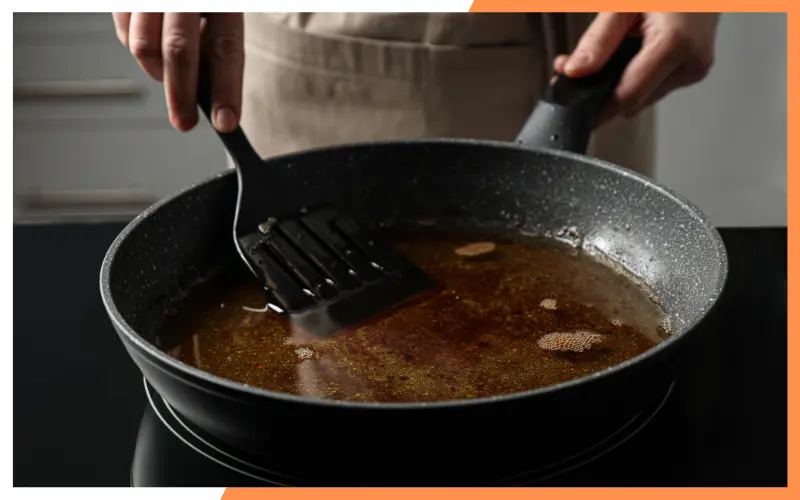
How to Get Rid of Frying Oils
If you want to get rid of frying oils, here are some tips:
1) First, you need to know how much oil you have. Then, you should measure the amount of oil you have. Next, you need to calculate how much oil you have per day. Finally, you need to divide the number by 365 days.
2) You can buy special containers to hold the oil. These containers come in different sizes. Choose the size that fits your needs best.
3) You can also use a funnel to pour the oil into another container.
4) You can use a coffee filter to strain the oil.
5) You can use a colander to strain the oil.
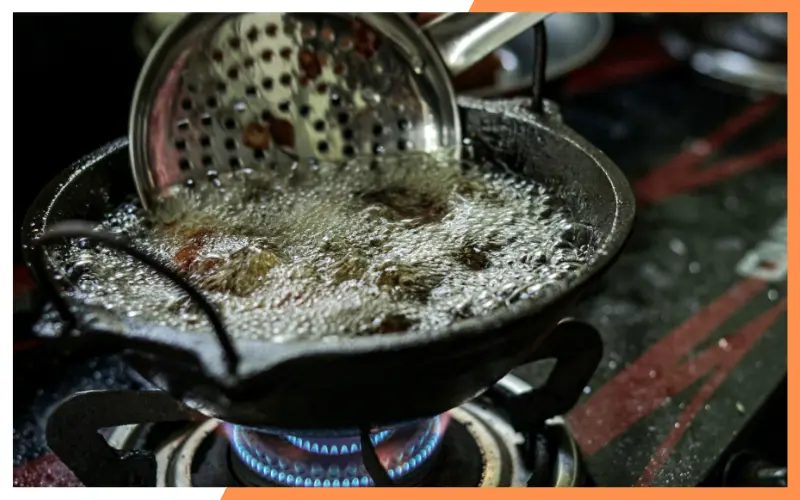
Substitutes of Frying Oil
You can find substitutes for frying oils at most grocery stores. Here are some common alternatives:
- Canola oil: Canola oil has a neutral flavor and does not impart strong odors like other oils do. It is considered a healthier choice than other types of oils.
- Vegetable shortening: Vegetable shortening is a type of margarine commonly used in baking. It is high in saturated fats and calories but low in cholesterol.
- Olive oil: Olive oil is rich in monounsaturated fatty acids, which help lower blood cholesterol levels.
- Coconut oil: Coconut oil is very popular among health-conscious individuals due to its many benefits. It contains medium-chain triglycerides which are easily absorbed by the body.
- Butter: Butter is an excellent source of energy. It contains protein and vitamins A, D, E, and K.
- Soybean oil: Soybean oil is one of the most widely consumed vegetable oils. It is high in unsaturated fats and is often used in salad dressings.
- Corn oil: Corn oil is high in omega-3 fatty acids. It is a healthy substitute for olive oil.
- Peanut oil: Peanut oil is high in vitamin E and antioxidants. It is also an excellent source of fiber.
- Sunflower oil: Sunflower oil is high in polyunsaturated fats. It is often used in salad dressing.
- Rice bran oil: Rice bran oil is high in gamma linolenic acid (GLA). GLA helps reduce inflammation and may be beneficial for arthritis sufferers.
- MCT oil: Medium Chain Triglyceride oil is a form of coconut oil that is extracted using heat instead of chemicals. It is high in lauric acid, which is good for the immune system.
Tips for Reusing Cooking Oil
One key tip for reusing cooking oil is to strain it through a fine mesh sieve or cheesecloth to remove any food particles or debris that may have accumulated during the initial use. This can help extend the life of the oil and prevent it from becoming rancid too quickly.
Additionally, it’s important to store the used oil in a cool, dark place to maintain its quality. Another helpful tip is to avoid mixing different types of oils when reusing, as this can impact the flavor of the food being cooked. It’s also recommended to only reuse cooking oil a few times, as it can break down and become less effective with each use.
Lastly, when it’s time to dispose of the oil, it’s important to do so properly by either recycling it or disposing of it in a closed container to prevent any environmental damage. Following these tips can help you make the most out of cooking oil and reduce waste.
/Frequently Asked Questions [FAQs]
What is the best way to dispose of used cooking oil?
The best way to dispose of used cooking oil is to solidify it by cooling it in the refrigerator or freezer and then placing it in a sealed container and disposing of it in the trash.
Can I recycle used frying oil?
Yes, you can recycle used frying oil. Many recycling centers and some grocery stores accept used cooking oil for recycling purposes.
Is it safe to pour oil down the drain?
No, it is not safe to pour oil down the drain as it can cause clogs and pollute the environment. It’s better to dispose of cooking oil in the trash or by recycling it.
What should I do with rancid cooking oil?
If you have rancid cooking oil, it is best to dispose of it in the trash by solidifying it first or by taking it to a recycling center if possible.
Can I reuse the oil after frying the chicken?
It is not recommended to reuse oil that has been used for frying chicken or any other food, as it can become rancid and affect the taste of the food.
How can I properly dispose of cooking oil?
You can properly dispose of cooking oil by letting it cool, solidifying it in the refrigerator, and then placing it in a sealed container for disposal in the trash or at a recycling center.
Conclusion
I’m sure you’ve heard about the dangers of consuming too much trans fat, but did you know that cooking oils like vegetable oil and shortening contain even worse fats? Trans fats have been linked to heart disease, diabetes, cancer, and stroke, among other serious conditions.
Fortunately, there are ways to remove harmful ingredients from foods without sacrificing flavor. Try using olive oil instead of butter when baking, and use coconut oil instead of shortening for sautéing. These healthy alternatives will give your dishes a delicious twist without compromising their nutritional value.

Chester’s expertise in air fryer cooking stems from her belief that air frying is one of the healthiest and most convenient cooking methods. Her recipes are designed to make the most of the air fryer’s unique cooking properties, producing crispy and delicious meals without excessive oil.